PES 101 Power Metal is a two-component, solvent-free epoxy repair paste for rebuilding worn or damaged metallic surfaces. Our November 2026 documentation update brings together the product overview, application guidance, safety information and selection resources maintenance teams need when evaluating a repair.
PES 101 Power Metal versus Belzona 1111 Super Metal
If you use Belzona 1111 Super Metal and are reviewing your next repair purchase, ask us about PES 101 Power Metal. We can discuss the application and current pricing, including contractor pricing where applicable. Compare the substrate, repair geometry, service conditions and curing requirements before choosing a material.
The right choice depends on the job. Send our team details of the equipment, damage and operating environment so we can help you assess suitability rather than relying on a product name alone.
An introduction to the PES metal repair range
PES offers several metal repair grades because a fluid resurfacing job, a deep rebuild and an emergency repair call for different handling characteristics. The updated introduction covers engineering-grade pastes, fluids, fast-curing putties and materials with extended working time.
The range includes PES 101 and 101 XHT pastes, PES 102 fluid, PES 103 repair stick, PES 104 fast-curing fluid, PES 105 Aqua Stick, PES 106 fast-curing paste and PES 107 extended-working-life paste. PES 181 addresses heavy-duty abrasion. Begin with the damage and service conditions, then narrow the selection to the appropriate grade.
PES 101 product overview and typical applications
The updated PES 101 brochure describes a high-build repair paste that holds its shape during application and can be machined after curing. It is intended for restoring damaged metallic surfaces, including pitted areas and gaps, with a stated build capability up to 1 inch (25 mm).
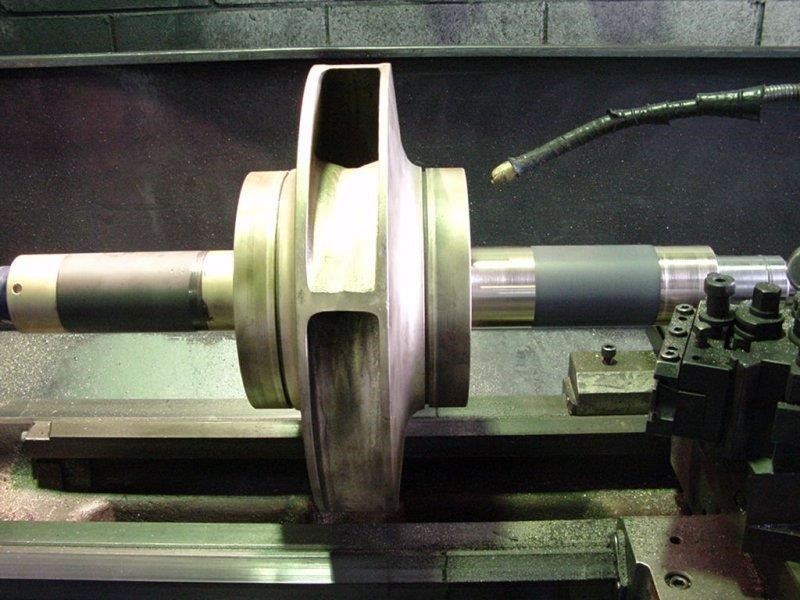
- Worn pump shafts, bearing housings and keyways.
- Damaged flange faces, pump or valve casings and hydraulic rams.
- Leaking tank seams, plate bonding and other suitable metal rebuilding work.
For a closer look at an actual repair approach, read our PES 101 Power Metal shaft-repair article. Our condenser repair example also shows how PES repair materials can form part of a wider maintenance system.
Combined specification technical data and application guidance
The revised PES 101 combined information document brings the previous Product Specification Sheet, Technical Data Sheet and Quality Application Guide into one reference. It covers surface preparation, mixing, application, cure schedules and typical mechanical properties.
The listed mixing ratio is 3 parts base to 1 part activator by volume, or 5 to 1 by weight. These are different measuring methods. Use the ratio that matches the method you are using and mix to the uniform mid-grey appearance described in the guide.
At 68°F (20°C), the document lists a 30-minute usable life, a minimum machining time of 2 hours and full cure in 3 days. Machining time and full cure are different milestones. Temperature changes the schedule, so plan the repair around the actual conditions and the complete application instructions.
Surface preparation remains essential. The guide describes mechanical abrasion and abrasive blasting, with abrasive blasting identified as the preferred method. It also explains cleaning, salt contamination checks and the need to apply the material before oxidation returns.
Safety data for both kit components
The August 4, 2026 PES 101 Power Metal Paste Kit Safety Data Sheet includes information for both the base and activator. Review both sections before handling the product, including the requirements for ventilation, protective equipment, storage, spill response and disposal.
Solvent-free does not mean hazard-free. The activator carries warnings for severe skin burns and eye damage, and both components include skin-sensitization information. Follow the current SDS and your site’s handling procedures throughout preparation, mixing and application.
Choosing a metal repair product
The revised Metal Repair Product Selection Guide compares the range by material type, application grade, curing characteristics, build thickness, preparation method and typical uses. It also places key product specifications alongside one another so maintenance teams can identify which products need closer technical review.
Use it to develop a shortlist. A material suited to a dry, accessible bearing fit may not be the appropriate choice for an underwater repair or a different chemical exposure. Confirm the exact product, preparation standard and operating conditions with PES before proceeding.
Checking chemical resistance
The updated Metal & Ceramic Range Chemical Resistance Guide compares products against named chemicals and concentrations. Its rating system distinguishes continuous immersion, short-term immersion, brief contact and materials unsuitable for contact.
The immersion ratings are stated at 68°F (20°C). A rating of 2 limits short-term immersion to a maximum of 3 days; a rating of 3 refers to quickly removed splashes or spills. The PC notation means an optimal post-cure is required.
Temperature, pressure and fluid dynamics can affect performance. Check the exact chemical, concentration and exposure pattern, and ask PES for advice about the actual service environment. A general statement of chemical resistance cannot replace that review.
Discuss your repair with PES
Tell us what needs rebuilding, how the surface can be prepared and when the equipment must return to service. Include the operating temperature and any chemical exposure. Contact PES Solutions or call 979-779-8700 to discuss PES 101 Power Metal, the updated documentation and current pricing.
